

Introduction
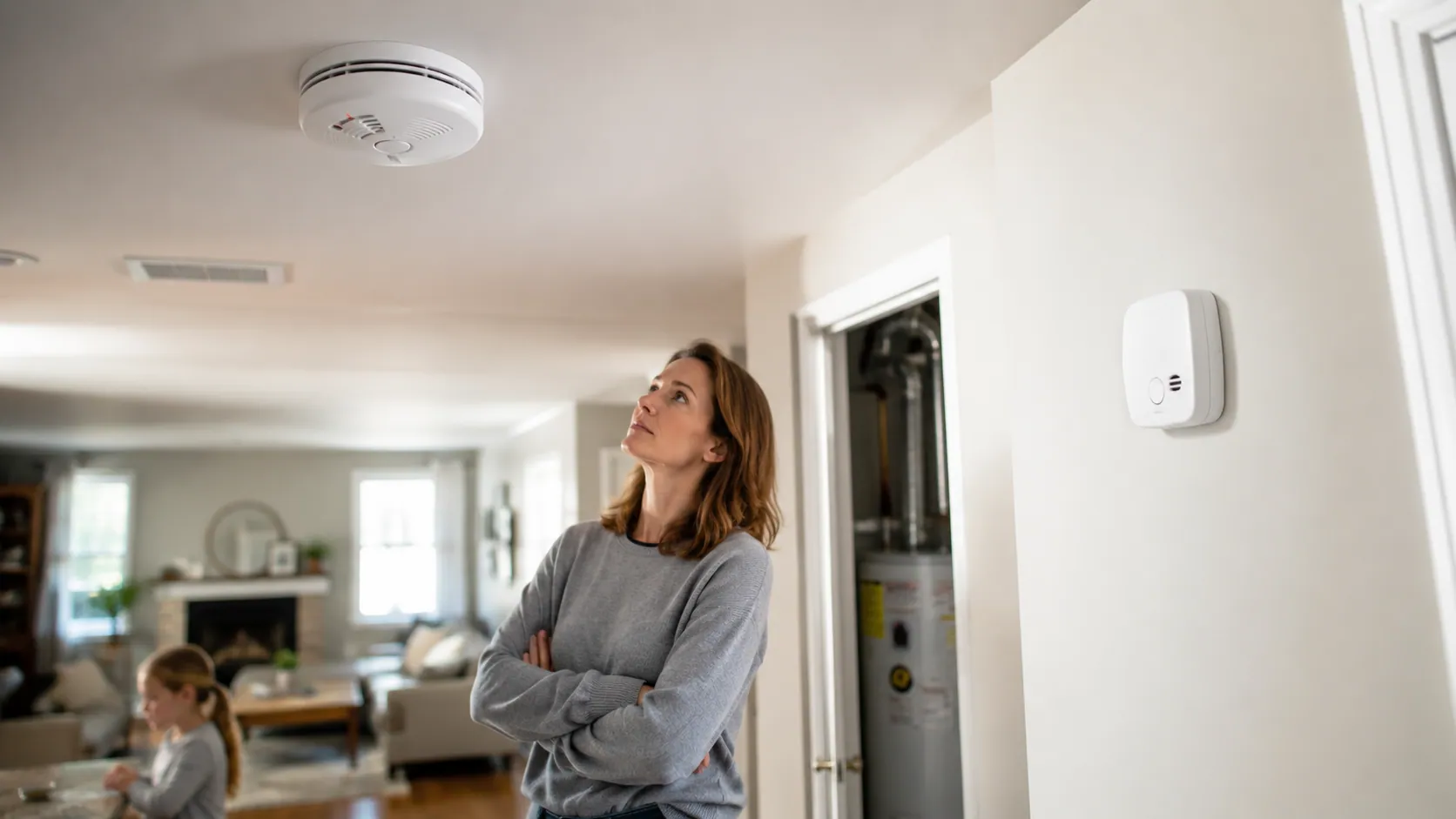
Can a fire alarm detect carbon monoxide? In most homes, the answer is no — a standard fire alarm or smoke alarm is usually made to detect smoke, heat, or fire particles, not carbon monoxide gas. That means a regular smoke alarm may warn you about a fire, but it may not alert you if dangerous carbon monoxide is building up in your home.
To detect both hazards, you need either a separate carbon monoxide detector or a combination smoke and carbon monoxide alarm. A combination alarm is designed to sense both smoke from a fire and CO gas from sources such as gas appliances, fireplaces, furnaces, attached garages, or portable generators.
This matters even more in homes with babies, toddlers, elderly family members, pets, or anyone who may not notice early warning signs. Carbon monoxide is often called a silent danger because you cannot see it, smell it, or taste it. Without the right alarm, a family may not realize there is a problem until symptoms appear.
The Short Answer: Most Fire Alarms Do Not Detect Carbon Monoxide
Most fire alarms do not detect carbon monoxide unless they are specifically made as a combination smoke and carbon monoxide alarm. A regular smoke alarm is designed to detect signs of fire, usually smoke particles in the air. Some fire safety devices may also detect heat, but that still does not mean they can sense CO gas.
A carbon monoxide alarm is different. It is built to detect carbon monoxide, a dangerous gas that can come from fuel-burning appliances, fireplaces, furnaces, attached garages, or generators. Because carbon monoxide has no smell, color, or taste, you cannot rely on your senses or a standard smoke alarm to warn you.
It is also important to understand that a home fire alarm system may include smoke alarms, heat detectors, hardwired alarms, or interconnected devices. However, being part of a fire alarm system does not automatically mean the device detects carbon monoxide. The safest way to know is to check the label on the alarm. Look for words such as “carbon monoxide,” “CO,” “smoke and carbon monoxide,” or “combination smoke and CO alarm.”
For example, if a nursery has only a regular smoke alarm, it may help warn your family if there is smoke from a fire. But it may not alert you to a hidden carbon monoxide leak from a nearby furnace, gas appliance, fireplace, or attached garage. That is why families should make sure they have the right fire safety device for both risks: smoke and carbon monoxide.
The CPSC notes that combination smoke and CO alarms are available, but smoke alarms and carbon monoxide alarms may have different placement and maintenance recommendations. In simple terms, one alarm does not always do every job. Always read the label, follow the manufacturer’s instructions, and make sure your home has proper protection for both fire and CO hazards.
Fire Alarm vs Smoke Alarm vs Carbon Monoxide Detector: What’s the Difference?
The terms fire alarm, smoke alarm, and carbon monoxide detector are often used together, but they do not always mean the same thing. Understanding the difference can help you choose the right protection for your home.
A fire alarm is a broader term. In some homes or buildings, it may refer to a full system that alerts people when there is a fire. This system may include smoke alarms, heat detectors, pull stations, sirens, or interconnected alarms.
A smoke alarm detects smoke particles from a fire. It is one of the most common home safety alarms and is usually installed in bedrooms, hallways, and on each level of the home. However, a smoke alarm does not detect carbon monoxide unless it is clearly labeled as a combination unit.
A heat detector responds to a rise in temperature. These are sometimes used in places where smoke alarms may cause false alarms, such as garages, kitchens, or utility areas. A heat detector warns about heat, not necessarily smoke, and it does not detect CO gas.
A carbon monoxide detector, also called a carbon monoxide alarm or CO alarm, detects carbon monoxide gas. CO can be produced when fuel does not burn completely in appliances such as furnaces, fireplaces, gas water heaters, stoves, vehicles, or generators.
A combo alarm or combination smoke/CO alarm detects both smoke and carbon monoxide in one device. This can be useful in bedrooms, hallways, and family areas, especially when families want simpler alarm coverage.
People often confuse these devices because they can look similar, mount on ceilings or walls, and make loud beeping sounds. Some are battery-powered, while others are hardwired into the home. But even a hardwired smoke alarm is not a CO detector unless the label clearly says carbon monoxide, CO, or smoke and carbon monoxide alarm.
| Device Type | What It Detects | Does It Detect CO? | Best Use |
| Smoke alarm | Smoke particles | No | Bedrooms, hallways, each level |
| Heat detector | Rapid heat rise | No | Garages, kitchens, utility areas |
| CO alarm | Carbon monoxide gas | Yes | Near sleeping areas, each level |
| Combo smoke/CO alarm | Smoke + CO | Yes | Bedrooms, hallways, family areas |
How Carbon Monoxide Enters a Home Without Smoke or Flames
Carbon monoxide can enter a home from fuel-burning appliances and equipment. These are items that burn gas, oil, wood, charcoal, propane, or another fuel. When fuel does not burn completely, it can produce carbon monoxide, also called CO gas.
Common carbon monoxide sources in and around a home can include:
| Possible CO Source | Why It Can Be a Risk |
| Gas furnace | Poor maintenance, blocked vents, or faulty operation can allow CO to build up. |
| Gas water heater | Improper venting or damage can create a CO leak in the house. |
| Fireplace | Smoke or exhaust may not vent properly if the chimney is blocked. |
| Wood stove | Poor ventilation or buildup in the flue can increase risk. |
| Gas oven or range | These should never be used to heat the home. |
| Attached garage | A running vehicle can send CO into living spaces. |
| Portable generator | Generator carbon monoxide can enter through doors, windows, vents, or garages. |
| Charcoal grill | Using one indoors or too close to the home is unsafe. |
| Blocked chimney or vent | Exhaust gases may back up into the house. |
The dangerous part is that carbon monoxide can build up without visible smoke, flames, or odor. It is an invisible, odorless gas, so parents should not rely on smell, sight, or a regular smoke alarm to know something is wrong. A home may look completely normal while CO levels are rising.
This is why a standard fire alarm alone may not be enough. A fire alarm may warn you about smoke or heat, but it usually will not detect a hidden carbon monoxide leak from a furnace, fireplace, gas appliance, garage, or generator.
A practical family safety tip is to be extra careful after storms, power outages, or severe weather, when people may use portable generators for backup power. Generators should never be used inside a home, garage, basement, porch, or near windows and doors. Even when a generator seems far enough away, exhaust can still drift into the home if it is placed too close.
The EPA describes carbon monoxide as a harmful indoor air pollutant that can cause flu-like symptoms and serious health effects, especially when exposure continues. That is why every home with possible fuel-burning sources should have working carbon monoxide alarms in the right locations.
Why Carbon Monoxide Is Especially Dangerous for Babies, Children, and Sleeping Families
Carbon monoxide is dangerous for everyone, but it can be especially concerning in homes with babies, young children, elderly family members, and sleeping families. One reason is simple: babies and toddlers cannot clearly explain how they feel. They cannot say, “I have a headache,” “I feel dizzy,” or “Something feels wrong in this room.”
Early carbon monoxide poisoning symptoms can also look like common everyday problems. A child may seem unusually tired, fussy, weak, sleepy, nauseous, or may vomit. Older children may complain of a headache, dizziness, or feeling sick. Because these signs can look like the flu, a stomach bug, poor sleep, or food poisoning, parents may not immediately suspect a CO leak.
This becomes even more serious at night. If carbon monoxide builds up while everyone is asleep, a family may not wake up in time without a working carbon monoxide alarm. A regular smoke alarm may stay silent because there may be no smoke, heat, or flames. That is why alarms are a key part of family home safety, especially near sleeping areas.
One important warning sign is when several people in the home feel sick at the same time, especially if they start to feel better after going outside or leaving the house. For example, if a parent feels dizzy, a child feels nauseous, and another family member has a headache, carbon monoxide should be considered as a possible cause. Pets may also show signs before adults notice a problem. A dog, cat, or other pet may seem unusually weak, sleepy, confused, or sick.
Still, symptoms should never be used as the main way to detect carbon monoxide. By the time symptoms appear, exposure may already be unsafe. The safest approach is to have properly placed, working CO alarms and to take every alarm seriously. For homes with babies and children, this is not just a technical safety step; it is a simple layer of protection that can help the whole family respond before a hidden danger becomes life-threatening.
What Kind of Alarm Do You Need: Separate CO Alarm or Combination Smoke/CO Alarm?
To protect your home properly, you need alarms that cover both major risks: fire and carbon monoxide. A regular smoke alarm helps detect smoke from a fire, but it usually will not detect CO gas. For that reason, families generally have two safe options.
The first option is to install separate smoke alarms and carbon monoxide alarms. This means you use smoke alarms for fire protection and separate CO alarms for carbon monoxide detection. This can be a good choice because smoke alarms and CO alarms may have different placement recommendations. For example, smoke alarms are commonly placed inside bedrooms, outside sleeping areas, and on every level of the home, while CO alarms are often placed near sleeping areas and on each level where they can warn the family clearly.
The second option is to use a certified combination smoke and CO alarm. A combination smoke CO detector can detect both smoke and carbon monoxide in one unit. This can save space, reduce the number of devices on your walls or ceilings, and make home safety easier to manage. It may also reduce confusion for families who want one alarm that clearly covers both hazards.
When choosing the best carbon monoxide alarm for home safety, look for important features such as:
| Feature | Why It Matters |
| CO detection label | Confirms the device actually detects carbon monoxide. |
| Battery backup | Keeps the alarm working during power outages. |
| End-of-life warning | Alerts you when the sensor or alarm needs replacement. |
| Loud alarm | Helps wake sleeping family members. |
| Interconnection feature | Allows alarms to sound together across the home. |
| Certification mark | Shows the alarm meets recognized safety standards where applicable. |
| Digital display | Optional, but helpful for viewing CO level readings. |
A battery backup alarm is especially useful because carbon monoxide risks can increase during storms or power outages, when people may use fireplaces, generators, or backup heating equipment. Interconnected alarms are also helpful in larger homes because if one alarm sounds in another area, the others can alert the whole family.
For parents, grandparents, and households with guests, alarms with clear voice alerts can be a smart choice. Some alarms announce “Fire” or “Carbon Monoxide,” which may be easier to understand than different beep patterns during a stressful moment. This is especially helpful if children, older adults, babysitters, or visitors may not know what each alarm sound means.
The CPSC recommends testing smoke and carbon monoxide alarms monthly and replacing batteries annually. It also notes that combination smoke and CO alarms are available. Whether you choose a separate CO detector or a combination unit, the most important thing is to confirm the device clearly says it detects carbon monoxide, install it in the right place, and keep it working year-round.
Where to Place Carbon Monoxide Alarms and Smoke Alarms in a Family Home
Knowing where to place a carbon monoxide detector is just as important as buying the right alarm. A working alarm may not protect your family well if it is installed in the wrong area, blocked by furniture, or too far from sleeping spaces.
For carbon monoxide alarms, most family homes should have protection in these areas:
| Alarm Location | Why It Matters |
| On every level of the home | CO can build up on different floors, especially near fuel-burning appliances or attached garages. |
| Outside sleeping areas | A sleeping area CO alarm helps wake the family before exposure becomes more dangerous. |
| Near bedrooms | This is especially important at night when people may not notice symptoms. |
| Near attached garages where recommended | Vehicle exhaust can enter nearby living spaces if a car is running or fumes seep indoors. |
| Other locations required by local code or the manufacturer | Rules may vary by home layout, state, country, and alarm type. |
For smoke alarm placement, the usual safety guidance is to install smoke alarms:
- Inside each bedroom
- Outside each sleeping area
- On every level of the home
This matters for nursery fire safety too. A baby’s room should have proper smoke alarm coverage so the family can be warned if there is smoke or fire. At the same time, the nearby sleeping area should have CO protection, because carbon monoxide may not create smoke, flames, or a visible warning sign.
You should also avoid placing CO alarms in spots where they may not work properly or may give unreliable readings. In most cases, do not place a CO alarm:
- Directly beside a fuel-burning appliance, unless the manufacturer says it is allowed
- Near windows, exterior doors, vents, ceiling fans, or strong airflow
- Inside very humid bathrooms
- Behind curtains, shelves, or furniture that blocks airflow
- In areas where children may easily tamper with the alarm
The NFPA advises placing CO alarms in a central location outside each sleeping area and on every level of the home. The EPA also says each floor should have a separate CO detector, and if a home has only one, it should be near sleeping areas and loud enough to wake people.
Because homes are built differently, always follow the alarm’s manual, local building rules, and local fire code. A small apartment, two-story home, finished basement, attached garage, or house with a nursery may each need a slightly different setup. The goal is simple: make sure your family can hear the alarm quickly, especially while sleeping.
How to Know If Your Fire Alarm Also Detects Carbon Monoxide
If you already have alarms installed, do not assume they detect carbon monoxide just because they beep loudly or are connected to your home’s electrical system. The safest way to know is to check the alarm carefully.
Start with the front of the device. Look for clear words or markings such as:
- “CO”
- “Carbon Monoxide”
- “Smoke & Carbon Monoxide”
- “Combination Alarm”
If the alarm only says “smoke alarm” or “fire alarm,” it may not detect carbon monoxide. A true smoke and carbon monoxide alarm should clearly say that it detects both hazards.
Next, check the back or side label. Most alarms include an alarm model number, manufacture date, and sometimes a recommended alarm replacement date. If the front label is unclear, write down the model number and look it up on the manufacturer’s website. You can also review the user manual to confirm whether the device is a smoke alarm only, a CO alarm only, or a combination unit.
You can press the test button to make sure the alarm sound works, but it is important to understand what that test means. A smoke and carbon monoxide alarm test usually checks the electronics, battery, and sound function. It does not always prove that the sensor can detect real carbon monoxide in the air. That is why the alarm’s age, label, and manufacturer instructions matter.
Also check whether the alarm has different beep patterns or voice alerts for smoke and CO. Some combination alarms use separate sounds or spoken warnings such as “Fire” or “Carbon Monoxide.” This can be helpful during a stressful moment, especially in homes with children, grandparents, babysitters, or guests.
If you still are not sure how to tell if an alarm detects carbon monoxide, do not guess. Replace it with a clearly labeled, certified unit that specifically says carbon monoxide or CO on the package and device.
A simple parent-style tip is to write the replacement date on the alarm with a marker or add a reminder in your phone. This makes it easier to keep track, especially when you are managing a busy home with children, pets, school routines, and everyday family responsibilities.
What to Do If a Carbon Monoxide Alarm Goes Off
If you hear a carbon monoxide alarm going off, treat it as urgent. Do not assume it is a false alarm, and do not remove the batteries to stop the sound. Carbon monoxide can be dangerous because you cannot see it, smell it, or taste it, so the alarm may be the first clear warning that something is wrong.
The safest response is simple: get everyone outside into fresh air right away. This includes babies, children, elderly family members, guests, and pets. Do not spend time searching for the source of the leak while the alarm is sounding. A furnace, fireplace, water heater, garage, generator, or blocked vent may be involved, but finding the cause should be left to trained professionals.
Once everyone is outside, call emergency services or your local fire department from a safe location. Do not go back inside until firefighters, emergency responders, or qualified professionals say the home is safe. Even if the alarm stops, that does not always mean the danger is gone.
If anyone has symptoms such as headache, dizziness, nausea, confusion, weakness, sleepiness, vomiting, chest discomfort, or fainting, seek medical help immediately. The EPA notes that carbon monoxide exposure can cause serious symptoms, including severe headache, dizziness, confusion, nausea, fainting, and potentially fatal outcomes if exposure continues.
Opening windows or doors is not a substitute for evacuation. Fresh air may help reduce the danger, but your first priority should be getting people out of the home safely. Parents can remember this simple family safety plan:
Grab the baby, leave the house, call for help.
Teaching older children this basic rule can also help them respond calmly if a CO alarm sounds. The goal is not to solve the problem yourself. The goal is to evacuate carbon monoxide risk quickly, protect your family, and let professionals check the home before anyone returns.
Testing, Maintenance, and Replacement: The Safety Step Many Families Forget
Buying the right alarms is only the first step. To keep your home protected, you also need regular smoke alarm maintenance and carbon monoxide alarm checks. An alarm that is expired, dusty, missing batteries, or placed in the wrong spot may not protect your family when you need it most.
A good habit is to test carbon monoxide alarms and smoke alarms once a month. Press the test button on each device and make sure the sound is loud enough to hear from bedrooms and sleeping areas. If your alarms are interconnected, check that the other alarms sound too.
Batteries should usually be replaced at least once a year, unless the unit has a sealed long-life battery. If an alarm begins chirping, do not ignore it. A chirp may mean a low battery, a sensor problem, or an end-of-life warning. Never remove batteries just to stop a nuisance alarm. If steam, cooking smoke, or placement is causing repeated false alarms, move the alarm according to the manufacturer’s instructions or replace it with a better-suited model.
You should also replace the whole alarm when it reaches its end-of-life date. Many people forget this step because the alarm may still look fine from the outside. However, the sensor inside can become less reliable over time. Check the back of the alarm for the manufacture date or replacement date. If you find an expired smoke detector or old CO alarm, replace it instead of trusting it.
Keep alarms clean and free of dust by gently vacuuming around the outside when needed. Do not paint over alarms, cover them with decorations, or block them with furniture, curtains, shelves, or toys. These small things can affect how air reaches the sensor.
After moving into a new home or rental, check every alarm immediately. Make sure each one is installed, working, labeled correctly, and not expired. Renters should report missing, expired, or non-working alarms to the landlord or property manager in writing, so there is a clear record of the safety concern.
A simple seasonal routine can make alarm care easier. Check smoke and CO alarms:
- When clocks change
- Before winter heating season
- Before using fireplaces or wood stoves
- After long power outages
- After moving furniture or remodeling
- After installing new fuel-burning appliances
The CPSC recommends testing smoke and carbon monoxide alarms monthly and replacing batteries annually. For busy families, the best system is one you can actually remember: test monthly, check batteries yearly, watch for expiration dates, and replace CO detectors or smoke alarms before they fail.
Common Myths About Fire Alarms and Carbon Monoxide
There are many carbon monoxide myths that can make families feel protected when they may not be. Because fire alarms, smoke alarms, gas detectors, and CO alarms can look similar, it is easy to misunderstand what each device actually does. These simple CO alarm facts can help you avoid common safety mistakes.
| Myth | Truth |
| “If I have a smoke alarm, I’m protected from carbon monoxide.” | Only if it is a combination smoke/CO alarm. A regular smoke alarm detects smoke, not carbon monoxide gas. |
| “Carbon monoxide has a smell.” | Carbon monoxide itself cannot be detected by smell. It is colorless, odorless, and tasteless. |
| “A gas leak detector and CO detector are the same.” | Natural gas, propane, smoke, and carbon monoxide are different hazards. A device must be made for the specific danger you want it to detect. |
| “I only need a CO alarm if I have a fireplace.” | Fireplaces are one possible source, but any fuel-burning appliance, attached garage, blocked vent, or generator can create CO risk. |
| “New homes do not need CO alarms.” | Newer homes can still have gas furnaces, water heaters, fireplaces, attached garages, or backup generators. |
| “The test button proves the sensor can detect CO.” | The test button usually checks the alarm’s electronics, battery, and sound. It does not always prove the sensor can detect real CO exposure. |
One of the most important smoke alarm myths is the idea that any alarm on the ceiling protects against every danger. In reality, a regular smoke alarm may help with fire alarm safety, but it does not replace a carbon monoxide alarm. If the label does not clearly say CO, carbon monoxide, or smoke and carbon monoxide alarm, do not assume it detects CO.
It is also important to understand the difference between a gas detector vs CO detector. A natural gas or propane detector is designed for fuel gas leaks. A carbon monoxide detector is designed for CO gas, which can be produced when fuel burns incompletely. These are not the same problem, and one device may not detect the other unless it is specifically designed to do so.
The safest approach is to read the label, check the manual, follow placement instructions, and replace alarms when they expire. Good home safety depends on having the right device for the right hazard, not just having something that beeps.
Quick Home Safety Checklist for Parents and Families
A simple home safety checklist can help you make sure your family is protected from both fire and carbon monoxide risks. You do not need to make the process complicated. The goal is to confirm that the right alarms are installed, working, and easy to hear when your family needs them.
Use this smoke and CO alarm checklist as a practical starting point:
| Safety Step | What to Do |
| 1. Confirm every alarm type | Check each alarm and identify whether it is a smoke alarm, CO alarm, or combination smoke and CO alarm. |
| 2. Install smoke alarms correctly | Place smoke alarms inside bedrooms, outside sleeping areas, and on every level of the home. |
| 3. Install CO alarms correctly | Place carbon monoxide alarms on every level and near sleeping areas so they can wake the family. |
| 4. Check the nursery and children’s rooms | Make sure children’s sleeping spaces have proper smoke alarm coverage and nearby CO protection. |
| 5. Test alarms monthly | Press the test button once a month and make sure the sound is loud enough to hear. |
| 6. Replace batteries yearly | Replace batteries at least once a year unless the alarm has sealed long-life batteries. |
| 7. Check expiration dates | Look at the manufacture date or replacement date and replace expired alarms. |
| 8. Use generators safely | Keep generators outside and far away from windows, doors, vents, garages, and living spaces. |
| 9. Service fuel-burning appliances | Have furnaces, fireplaces, water heaters, chimneys, and vents checked regularly. |
| 10. Teach older children alarm sounds | Explain the difference between a smoke alarm, CO alarm, and what to do when either one sounds. |
| 11. Create an escape plan | Choose a simple exit route and a safe family meeting place outside the home. |
| 12. Keep emergency numbers visible | Save emergency contacts in your phone and keep important numbers where babysitters or guests can find them. |
These parent fire safety tips are especially useful in homes with babies, toddlers, elderly family members, pets, or anyone who may need help leaving quickly. A safe home for children is not only about locks, gates, and soft corners. It also means having working alarms, clear exits, and a plan that everyone understands.
For better carbon monoxide prevention, pay close attention during colder months, power outages, storms, or any time fuel-burning equipment is used more often. Never run a generator indoors, inside a garage, on a porch, or near open windows. Also, do not use a gas oven to heat the home.
A good family routine is simple: check the alarms, keep appliances maintained, teach the plan, and review it a few times a year. Small habits can make a big difference when every second matters.
Conclusion
So, can a fire alarm detect carbon monoxide? In most cases, a regular fire alarm or smoke alarm cannot detect carbon monoxide unless it is specifically labeled as a combination smoke and CO alarm. A standard smoke alarm is designed to warn you about smoke or fire, while a carbon monoxide alarm is designed to detect dangerous CO gas that you cannot see, smell, or taste.
The safest step is to check every alarm in your home. Look at the front label, back label, model number, manufacture date, and user manual. If the alarm does not clearly say carbon monoxide, CO, or smoke and carbon monoxide alarm, do not assume it offers CO protection.
For strong family home safety, every household needs both smoke protection and CO alarm protection. A safer setup includes smoke alarms inside bedrooms, outside sleeping areas, and on every level of the home, along with carbon monoxide alarms on every level and near sleeping areas. Families should also test alarms monthly, replace batteries or expired units on time, and have a simple fire safety plan so everyone knows what to do if an alarm sounds.
Protecting your family is not about buying the most expensive device. It is about having the right alarms in the right places and keeping them working. With proper smoke and carbon monoxide safety, regular maintenance, and a clear emergency plan, you can give your home a stronger layer of protection against both fire and hidden CO risks.
Disclaimer
This article is for general informational purposes only and is not a substitute for professional safety, medical, or emergency advice. Alarm requirements, installation rules, and safety recommendations may vary by location, home layout, product type, and individual situation. Always follow the manufacturer’s instructions, local fire codes, and guidance from qualified safety professionals. If a carbon monoxide alarm sounds or someone has symptoms, leave the home immediately and contact emergency services.