

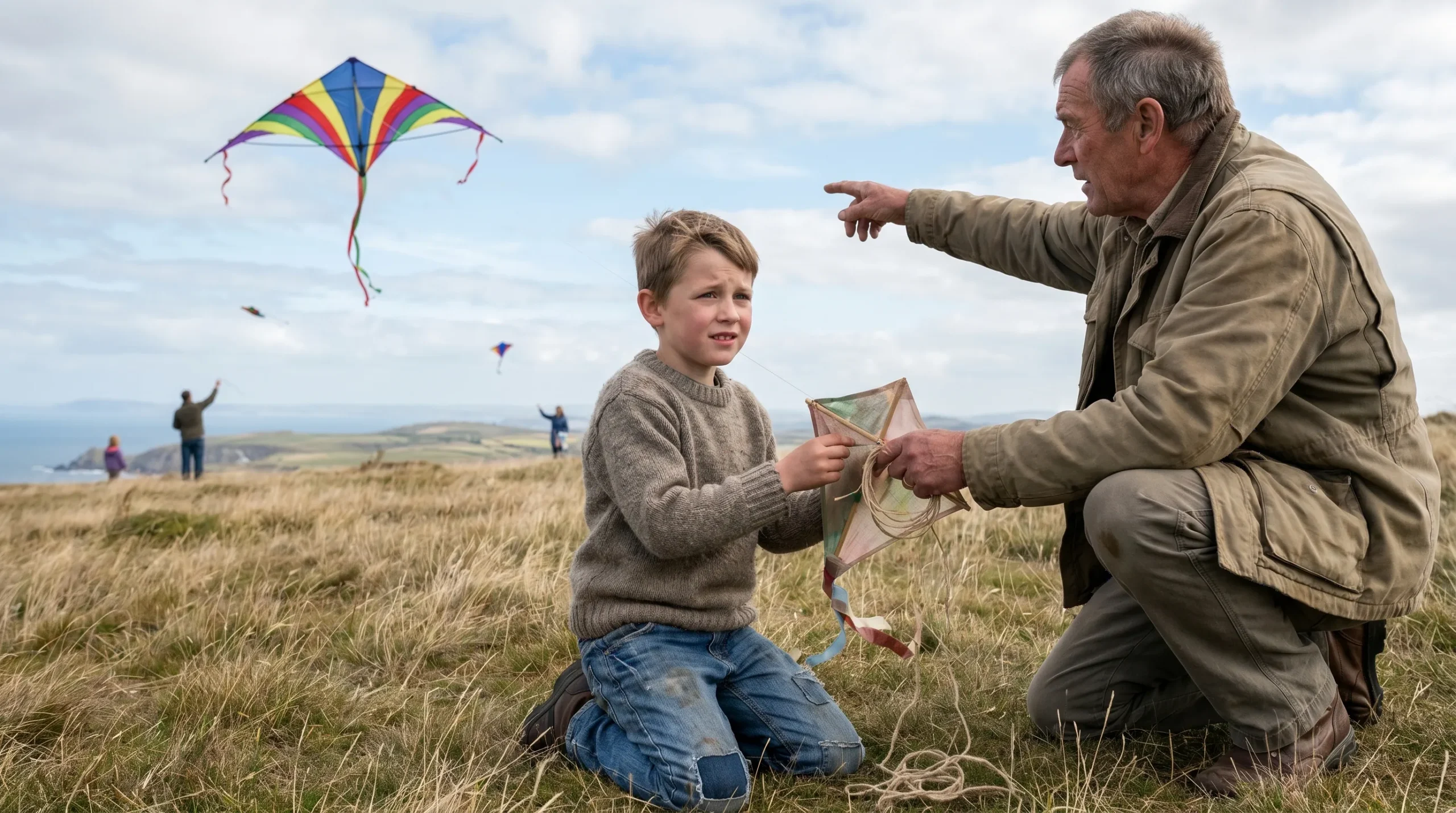
How the little kite learned to fly is a beautiful and inspiring poem that teaches readers an important lesson about fear, courage, confidence, and perseverance. Written by Katharine Pyle, the poem uses the simple image of a little kite and a big kite to show how people often doubt themselves before they try something new. At first, the little kite is full of apprehension and believes it cannot rise into the tranquil sky. But with gentle encouragement and a little bravery, it discovers that it can fly just like the others.
This poem may look simple, but its message is deeply meaningful. It is not only a charming piece of poetry for children, but also a powerful reflection on personal growth, self-belief, and the importance of trying even when we feel frightened. That is why many students search for how the little kite learned to fly summary, how the little kite learned to fly questions and answers, word meaning, message of the poem, and line by line explanation. In this guide, you will find all of that in one place in clear, student-friendly language.
Full Poem Overview and Basic Context
How the Little Kite Learned to Fly poem is often studied as a lesson about emotional growth. The poem is generally attributed to Katharine Pyle, and it presents a small but memorable scene: a nervous little kite wants to fly but is afraid it will fall. Beside it is the big kite, which becomes a symbol of supportive guidance, courage, and example.
The poem is written in an easy and musical style, which makes it suitable for young readers, classroom teaching, and educational purposes. Even though it is short, it creates a vivid picture of the open sky, the movement of the wind, and the inner feelings of the little kite. The verse and stanza structure help the poem move gently from fear to success. This is one reason it is often used in study material, lesson discussions, and even classroom resource collections.
At its heart, the poem is about one central conflict: the little kite wants to rise but lacks confidence. That simple conflict makes the poem relatable. Many children, students, and even adults know what it feels like to stand still because they are afraid of failing. The little kite’s journey turns that feeling into a hopeful message.
Summary of “How the Little Kite Learned to Fly” in Simple English
If you are looking for how the little kite learned to fly summary in English or how the little kite learned to fly summary for kids, the poem can be understood very easily.
The poem begins with the little kite saying that it cannot fly. It feels weak, uncertain, and scared. It believes that if it tries to rise into the air, it may fall. This fear keeps it from even making an attempt. The little kite watches others in the sky, but instead of feeling excited, it feels nervous and doubtful.
Then the big kite speaks with confidence and kindness. It encourages the little kite to try. The message is simple but powerful: no one can learn unless they begin. The big kite does not force the little kite, but it offers reassurance. That support becomes the turning point in the poem.
Slowly, the little kite gathers courage. It begins to move, then rise, and finally fly. What once seemed impossible becomes real. As it rises higher, its fear changes into joy. The little kite feels thrilled, proud, and free. The experience teaches it that fear often disappears when we take the first brave step.
So, how the little kite learned to fly summary is really the story of moving from self-doubt to confidence. The poem shows that trying, determination, and a little encouragement can help someone discover their own strength.
Line-by-Line Explanation of the Poem
A proper how the little kite learned to fly line by line explanation helps readers understand not only what happens in the poem but also what the deeper feelings mean.
At the beginning, the little kite says that it cannot do it. This line shows immediate fear and uncertainty. The little kite is not failing after trying; it is stopping before even beginning. That is an important detail because many real-life fears begin in the mind. We imagine failure before action.
When the poem describes the little kite as trembling, it gives us a strong emotional image. The kite is not just calm and thoughtful. It is physically and emotionally shaken by fear. This word adds depth to the poem and makes the little kite feel more human, even though it is an object. This is one reason the poem is often discussed in terms of personification.
The big kite then speaks and encourages the smaller one. This moment is important because it introduces the idea of guidance. The big kite acts like a teacher, parent, older sibling, or friend. It represents the voice that tells us to keep going when we want to give up. In this way, the poem also becomes a story about mentorship and emotional support.
As the little kite begins to move, the poem suggests hesitation and struggle. It does not rise suddenly without effort. That gradual movement matters. It shows that courage is not the absence of fear. Courage means moving forward even while fear is still present. The image of the kite rising into the air reflects the growth of self-belief.
The poem then shifts into brighter imagery. The kite rises into the sky and sees the world below in a new way. The sky that once seemed frightening now feels open and beautiful. Words like tranquil, whirling, and thrilled create movement and excitement. The emotional tone changes from tension to freedom.
By the end, the little kite feels pride. That pride is not arrogance. It is the healthy happiness that comes from overcoming fear. The poem’s emotional journey is simple but powerful: first comes apprehension, then effort, then success, and finally joy.
So, in how the little kite learned to fly line by line meaning, each section of the poem marks a step in the little kite’s journey. It begins with fear, moves through encouragement, and ends with confidence. That is what makes the poem so memorable and useful for students.
Theme of the Poem: Courage, Perseverance, and Self-Confidence
The strongest theme of courage in how the little kite learned to fly is the idea that growth begins when we stop listening only to fear. The little kite is scared, but the poem does not allow fear to become the final truth. Instead, it shows that courage is built through action.
Another important theme is perseverance. The poem does not suggest that success appears instantly. The little kite must make an effort. This makes the poem realistic. In life, whether we are learning a subject, speaking in public, making a decision, or facing a new challenge, we rarely feel ready from the beginning. Readiness often comes after trying.
The poem also explores confidence. In many motivational texts, confidence is treated as something people must already have. But this poem offers a wiser message: confidence usually comes after the first attempt. The little kite becomes confident because it flies, not before it flies.
A fourth theme is the value of encouragement. The big kite’s role is central. Without that voice of reassurance, the little kite might have remained frozen in fear. This makes the poem useful in classrooms because it shows how support can change someone’s future.
In short, the poem’s key themes are bravery, determination, resilience, supportive guidance, and personal growth.
Moral Lesson and Message of the Poem
If you need how the little kite learned to fly moral lesson or what is the message of the poem how the little kite learned to fly, the answer is clear: we must try before we decide that something is impossible.
The poem teaches that fear is natural, but it should not control our lives. The little kite is scared, and that fear is understandable. But the poem gently shows that fear is often larger in our imagination than in reality. Once the little kite makes an effort, it discovers that it is capable.
Another moral lesson is that support matters. Sometimes people need one kind voice to help them take the first step. The big kite’s advice is not complicated, but it is powerful because it gives the little kite hope. This makes the poem not only a story about individual courage but also about the importance of helping others.
The message of the poem can also be applied to education, friendships, sports, art, and daily life. Many children fear failure, embarrassment, or difficulty. This poem reminds them that growth begins with trying. That is why it remains a powerful confidence-building poem for children and a meaningful poem about overcoming fear.
Character Analysis: The Little Kite and the Big Kite
A strong how the little kite learned to fly character sketch must focus on the contrast between the two main figures.
The Little Kite
The little kite represents fear, hesitation, and self-doubt. At the beginning, it is unsure of its own ability. It sees danger more clearly than possibility. This makes it relatable because many people feel the same way when facing a challenge. However, the little kite is not weak in a negative sense. It is simply inexperienced and frightened. By the end of the poem, it transforms into a figure of courage and self-belief. Its journey is a classic fear to confidence journey.
The Big Kite
The big kite represents confidence, wisdom, and encouragement. It does not mock the little kite’s fear. Instead, it offers calm support. This makes it a symbol of mentorship. In many ways, the big kite is the emotional guide of the poem. It shows that one encouraging voice can help someone overcome inner fear.
The difference between little kite and big kite is not just size. It is also emotional maturity. One is afraid; the other is confident. One doubts; the other reassures. Together, they create the central lesson of the poem: confidence can grow through support and experience.
Poetic Devices in “How the Little Kite Learned to Fly”
A great how the little kite learned to fly poetic devices section helps students go beyond summary and into literary understanding.
One of the most important devices is personification. The kites speak, feel fear, receive encouragement, and experience pride. This human-like behavior makes the poem emotionally rich and easy for children to connect with.
Another key device is imagery. The poem uses visual and emotional images that help readers imagine the sky, the movement of the kites, and the shift from fear to joy. Words connected to movement and feeling, such as whirling, trembling, and thrilled, make the poem vivid.
Symbolism is also important. The little kite symbolizes a person facing fear. The act of flying symbolizes trying, growing, and rising above doubt. The sky represents freedom, possibility, and open potential. This is why the symbolism of the kite matters so much in interpretation.
The poem also uses a gentle musical quality through rhyme and rhythm. Even if a student is not doing a full how the little kite learned to fly rhyme scheme analysis, it is clear that the sound pattern helps create a smooth and memorable reading experience.
Finally, the poem’s mood and tone change beautifully. The beginning feels nervous and uncertain. The ending feels joyful and triumphant. That emotional transition is one of the poem’s greatest strengths.
Symbolism: What the Kite, the Sky, and Flying Represent
The poem becomes deeper when we ask what the sky represents in the poem and what the kite itself symbolizes.
The little kite stands for any person who feels afraid to take the first step. It may represent a student before an exam, a child trying a new skill, or anyone facing a difficult decision. The little kite is not only a character; it is a symbol of human hesitation.
The big kite symbolizes the guide who gives courage. This could be a teacher, parent, friend, or mentor. It is the voice that says, “Try.”
The act of flying symbolizes freedom, growth, and success after effort. It is the moment when fear no longer controls the individual. The sky becomes a symbol of opportunity. At first it seems dangerous, but later it becomes a place of joy and possibility.
This symbolic reading gives the poem lasting value. It is not just about kites in the air. It is about the emotional journey from fear to action.
Word Meanings and Difficult Vocabulary
Many students search for how the little kite learned to fly word meanings, so here is a simple glossary.
| Word | Simple Meaning |
|---|---|
| Trembling | Shaking because of fear or nervousness |
| Tranquil | Calm and peaceful |
| Whirling | Moving around quickly in circles |
| Thrilled | Very excited and happy |
| Pride | A feeling of satisfaction in success |
| Apprehension | Fear or worry about what may happen |
| Frightened | Scared |
| Stirred | Moved or awakened into action |
This kind of vocabulary table is helpful in study material, worksheet work, and exam preparation because students often understand the message better once difficult words become clear.
Questions and Answers on “How the Little Kite Learned to Fly”
Students often look for how the little kite learned to fly questions and answers, so this section brings the most useful ones together.
Short Answer Questions
- What could the little kite not do?
The little kite felt that it could not fly because it was afraid of falling. - What was the big kite’s advice to her?
The big kite encouraged the little kite to try and not let fear stop it. - Why did the little kite feel scared?
The little kite felt scared because it lacked confidence and imagined failure before trying. - What happened when the little kite finally tried?
It rose into the air and discovered that it could fly successfully. - What is the message of the poem?
The poem teaches that courage and effort can help us overcome fear and achieve success.
Long Answer Questions
- Explain the journey of the little kite from fear to confidence.
At the beginning of the poem, the little kite is afraid and full of self-doubt. It believes it cannot fly and is worried that it will fall. The big kite encourages it to try. This support gives the little kite the courage to act. Once it begins to fly, it realizes that it was stronger than it believed. By the end, fear changes into joy and pride. The poem shows that confidence often comes after taking action. - How does the big kite play an important role in the poem?
The big kite acts as a guide and source of encouragement. It represents the helpful voice that gives courage to those who are afraid. Without the big kite’s support, the little kite may never have tried. This makes the big kite an important symbol of mentorship and positive influence.
Mini MCQs
- The little kite was afraid because:
a) it was too tired
b) it thought it would fall
c) the sky was dark
d) the wind was weak
Answer: b) it thought it would fall
- The poem mainly teaches:
a) how to make a kite
b) how to win a race
c) courage and self-confidence
d) the rules of flying
Answer: c) courage and self-confidence
This format helps with solved questions, short answer questions, long answer questions, and even simple MCQs for revision.
Why This Poem Is Still Relevant for Students Today
This poem remains meaningful because modern students face many of the same emotions as the little kite. They fear failure, judgment, poor results, and disappointment. They often believe they are not ready. That is exactly why this poem still works so well as a student-friendly poem explanation and a poem about trying again.
In school life, children may feel afraid to speak in class, answer questions, join competitions, or attempt difficult work. The poem offers a gentle but memorable truth: the first step matters more than perfect confidence. When students understand this message, they begin to see fear differently.
This is why the poem is still valuable for teacher guide discussions, motivational classroom moments, and personal reflection. Its emotional lesson is timeless.
Teacher and Parent Guide: How to Discuss the Poem with Children
For teachers and parents, this poem offers many discussion opportunities. A useful teacher guide for how the little kite learned to fly can ask children simple but meaningful questions such as:
- Why was the little kite afraid?
- Have you ever felt like the little kite?
- What made the little kite brave in the end?
- How can we help others the way the big kite helped?
These questions encourage emotional learning, not just literary study. Parents can connect the poem to real life by discussing new experiences such as school presentations, sports, friendships, or learning a new skill. Teachers can use the poem as a classroom resource for values education, reading comprehension, and confidence-building activities.
A small classroom follow-up can be very effective. For example, students can write about a time they were afraid but succeeded after trying. That makes the poem personal and memorable.
Conclusion
How the little kite learned to fly is more than a simple poem about kites. It is a touching lesson in courage, self-belief, determination, and resilience. Through the contrast between the little kite and the big kite, the poem shows that fear is natural, but it does not have to be the end of the story.
Its lasting power comes from its truth: many of us are like the little kite at some point in life. We hesitate, we doubt, and we imagine failure. But when we try, and when we receive the right encouragement, we often discover strength we did not know we had. That is the real message of the poem, and that is why it continues to inspire readers of all ages.
Disclaimer:
This article is for informational and educational purposes only. Interpretations of the poem, themes, and lessons are subjective. Readers should consider their own perspectives and consult original sources for academic or literary analysis.